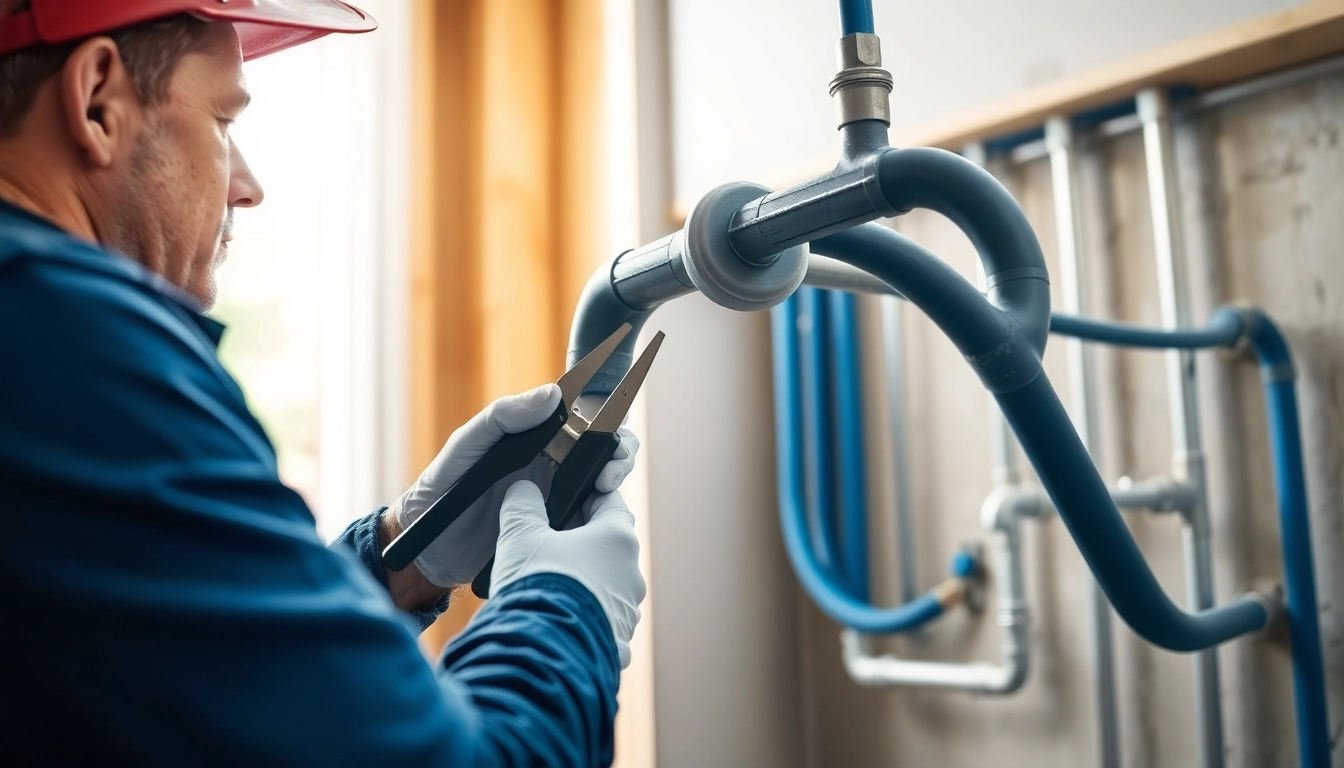
Understanding Whole House Repiping Services Tampa
What is Whole House Repiping?
Whole house repiping refers to the comprehensive process of replacing old, deteriorating plumbing pipes throughout an entire home. This method ensures that homeowners no longer face recurring plumbing issues related to aging tubes, such as leaks, low water pressure, or contaminated drinking water. Opting for whole house repiping services Tampa provides a long-term solution, improving the overall functionality and safety of your plumbing system.
Benefits of Whole House Repiping
Repiping your home offers an array of benefits, both practical and proactive. Here are some key advantages:
- Improved Water Quality: Old pipes can corrode and rust, leading to metallic contamination in your water supply. New pipes eliminate this risk, ensuring clean, safe drinking water.
- Enhanced Water Pressure: Many older homes suffer from mineral buildup and corrosion in pipes, which reduces water flow. New piping significantly improves water pressure and flow in all fixtures.
- Increased Home Value: Renovations, including repiping, can raise your property value significantly. Prospective buyers appreciate the peace of mind offered by a newer, updated plumbing system.
- Fewer Repairs: Replacing all pipes eliminates the need for frequent repairs, saving homeowners time and money in the long run.
- Energy Efficiency: Newer piping, particularly insulated ones, can lead to energy savings, as they minimize heat loss in water systems.
Common Signs You Need Repiping
Recognizing when your home requires repiping can prevent future issues. Watch for these signs:
- Frequent Leaks: If you notice multiple leaks in your plumbing, it’s a clear sign that your pipes are failing.
- Discolored Water: Brown or rust-colored water can indicate corroded pipes.
- Low Water Pressure: A sudden drop in water pressure can signify blockages or leaks in your pipes.
- Water Stains: Walls or ceilings showing water stains or damage may point toward hidden leaks.
- Old Pipe Material: If your home has older galvanized steel or lead pipes, repiping is advisable for health and safety concerns.
Choosing the Right Materials for Repiping
PVC vs. Copper Pipes: A Comparative Guide
When considering repiping, the choice of materials is crucial. Two popular options are PVC (Polyvinyl Chloride) and copper:
- PVC Pipes: Known for being lightweight, affordable, and resistant to corrosion, PVC is an excellent choice for drain, waste, and vent systems. However, it cannot be used for hot water as it may warp under high temperatures.
- Copper Pipes: While more expensive, copper is known for its durability, resistance to bacteria, and ability to withstand high temperatures. It often lasts longer than PVC and is suitable for both hot and cold water systems.
How Material Choice Affects Your Plumbing System
The material chosen for your pipes impacts various aspects of your plumbing system, including:
- Longevity: Different materials have varying lifespans. For example, copper may last over 50 years, while PVC typically lasts around 25 years.
- Corrosion Resistance: While PVC is unaffected by corrosion, copper can corrode over time, especially in acidic water conditions.
- Thermal Expansion: Copper expands and contracts with temperature changes, which can cause leaks if not installed correctly, unlike PVC which is more stable.
- Cost: PVC is generally cheaper upfront but may require more frequent replacement, while copper’s higher initial cost can be offset by its durability.
Cost Considerations for Different Materials
When planning your repiping project, costs can vary significantly based on material choice. Here are some cost insights:
- PVC Costs: The average cost for PVC material ranges from $0.50 to $2.00 per linear foot, with installation costs contributing additional expenses.
- Copper Costs: Copper typically ranges from $2.50 to $5.00 per linear foot, making it a more costly alternative but may prove more economical in the long run due to its durability.
- Overall Project Costs: Implementation costs can range from $4,000 to $15,000, depending on your home size and accessibility issues during installation.
The Whole House Repiping Process
Initial Assessment and Inspection Steps
The repiping process begins with a thorough assessment by a certified plumber. This includes:
- Aperture Inspection: Inspecting accessible areas of plumbing to identify leaks or damage.
- Pipe Material Verification: Identifying the materials currently used in your plumbing system to determine a suitable replacement.
- Sizing and Water Demand Analysis: Assessing the household’s water needs to ensure the new system adequately supports demand.
Planning the Repiping Project
After assessment, a detailed plan is created. This plan includes:
- Permitting: Securing necessary permits to comply with local building codes and regulations.
- Detailed Estimation: Providing a cost estimate covering materials, labor, and time required for completion.
- Scheduling: Coordinating with homeowners for minimal disruption during the installation process.
Timelines and What to Expect During Installation
The actual installation of repiping typically takes one to three days based on the size of the home. During this time, homeowners should expect:
- Temporary Water Shut-Offs: Water service may be interrupted periodically, typically announced in advance.
- Mess and Disruption: Some areas of the home may become inaccessible, and minor demolition may be required to access hidden pipes.
- Final Inspection: After installation, a thorough inspection ensures the new system is leak-free and functioning properly.
Post-Repiping Maintenance Tips
Best Practices to Ensure Longevity of New Pipes
To maintain the integrity of your new plumbing system, consider these best practices:
- Regular Inspections: Schedule routine checks with a plumber to address any potential issues proactively.
- Monitor Water Quality: Frequently test your water for contaminants to ensure pipes remain in good condition.
- Use Water Softener: If you have hard water, installing a water softening system can help decrease mineral buildup in pipes.
Regular Plumbing Check-ups Importance
Maintaining a proactive plumbing maintenance schedule is vital. Regular check-ups can catch minor issues before they escalate, potentially extending the lifespan of your pipes and saving considerable repair costs.
Signs of Potential Issues After Repiping
After completing the repiping project, homeowners should be vigilant for signs that may indicate future plumbing problems:
- Unexplained Sudden Leaks: New leaks can signal issues with the installation or pre-existing conditions that weren’t addressed.
- Unusual Water Pressure Fluctuations: This may hint at blockage or air pockets within the system.
- Continuous Water Stains: Persistent stains may indicate unaddressed moisture issues or new leaks.
FAQs About Whole House Repiping Services Tampa
What is the cost of whole house repiping?
The cost varies based on the size of your home and the materials chosen, typically ranging from $4,000 to $15,000.
How long does the repiping process take?
Depending on your home size, it usually takes between one to three days to complete the entire project.
Will I need to relocate during repiping?
In most cases, you can stay in your home, although there may be temporary water shut-offs.
How can I prevent future plumbing issues?
Regular maintenance, prompt repairs of leaks, and using high-quality materials can help prevent future problems.
What materials are typically used for repiping?
Common materials include copper, PVC, and PEX, each having unique advantages in terms of cost and durability.