
Understanding Mirror and LED Lights
What are Mirrors with LED Lights?
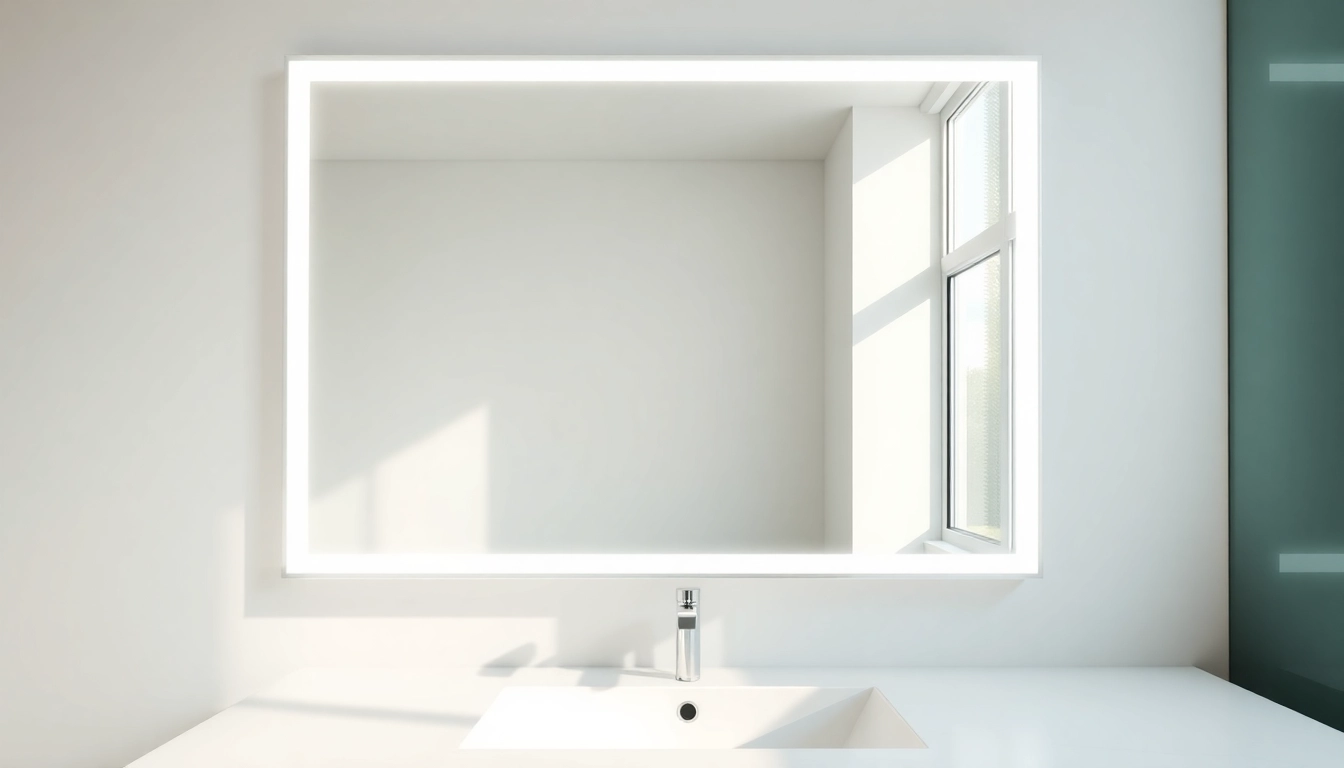
Mirrors with LED lights are innovative designs that integrate lighting into the structure of the mirror itself. This synthesis not only enhances aesthetics but also provides functional illumination, making these mirrors an essential addition to modern spaces. Commonly used in bathrooms, dressing rooms, and hallways, these mirrors utilize energy-efficient LED technology to create a well-lit reflection, perfect for tasks like makeup application or shaving. The allure of mirrors with LED lights lies in their ability to blend form and function seamlessly.
Benefits of Using LED Lights in Mirrors
Integrating LED lights into mirrors offers numerous advantages:
- Energy Efficiency: LEDs consume significantly less energy than traditional bulbs, making them a cost-effective choice over time. This energy efficiency translates to lower electricity bills and a reduced carbon footprint.
- Longevity: LED lights have a much longer lifespan, lasting up to 25,000 hours compared to regular bulbs which might last around 1,200 hours. This longevity reduces the frequency and cost of replacements.
- Quality of Light: LED lights provide a bright, clear light that mimics natural daylight, enhancing visibility for daily grooming tasks.
- Versatility: Available in various color temperatures, LED lights can be tailored to match the decor and ambiance of any space, from warm and cozy to bright and invigorating.
- Low Heat Emission: Unlike incandescent bulbs that emit heat, LEDs remain cool to the touch, making them safer to use and reducing additional heating in small spaces.
Types of Mirrors with Integrated LED Lights
There are various styles of mirrors with integrated LED lights, catering to different needs and preferences:
- Backlit Mirrors: These mirrors have LED lights installed behind the mirror surface, casting a soft glow that adds an ethereal effect to the space. They are suitable for contemporary bathrooms and can create a relaxing atmosphere.
- Edge-lit Mirrors: Edge-lit designs feature LEDs along the perimeter of the mirror, providing a bright and uniform light source. This design works well in vanity areas for enhanced visibility.
- Touch Sensor Mirrors: Equipped with touch-sensitive controls, these mirrors allow users to adjust brightness and sometimes even color temperature with a simple tap, offering customizable lighting solutions.
- Magnifying Mirrors: Often used for detailed grooming tasks, these mirrors might include LED lighting to provide a clear, illuminated view, making them ideal for makeup application.
Choosing the Right Mirror and LED Lights for Your Space
Factors to Consider When Selecting Mirrors
Selecting the right mirror with integrated LED lights involves careful consideration of several factors:
- Size: The dimensions of the mirror should complement the space it will occupy. A large mirror can create a focal point in a small room, while multiple smaller mirrors can be used for decorative purposes.
- Style: The design of the mirror should align with your existing decor style. Whether you prefer modern, rustic, or traditional looks, there are mirrors with LED lights that can fit seamlessly into your interior design.
- Functionality: Consider how the mirror will be used. If it’s for a bathroom, you might require a fog-free mirror with adjustable lighting. If it’s for a bedroom, aesthetic appeal and soft lighting might be more crucial.
- Installation Requirements: Ensure that the mirror can be easily installed in your intended area. Some LED mirrors require hardwiring, while others may simply plug into a standard outlet.
How to Match LED Light Temperature with Decor
Matching the color temperature of LED lights with your decor can enhance the overall aesthetic of a room. LED lights come in various color temperatures measured in Kelvins (K):
- Warm White (2700K – 3000K): This setting emits a soft, yellow glow that creates a cozy environment, perfect for living rooms and bedrooms.
- Neutral White (3500K – 4100K): Ideal for kitchens and bathrooms, neutral white light is neither too warm nor too cool, providing balanced illumination that is very versatile.
- Cool White (5000K – 6500K): Bright blue-white light mimics daylight and is suitable for task-oriented areas, such as offices and workspaces, where clarity is essential.
When choosing LED lights for mirrors, consider the existing colors in the room. For instance, warm tones in furnishings may benefit from warm white lighting, while a modern space with cool tones may be enhanced with a cool white light.
Design Trends for Mirrors with LED Lights
As interior design continues to evolve, several trends have emerged regarding mirrors with LED lights:
- Minimalist Designs: Clean lines and subtle designs are popular, making these mirrors an understated feature in contemporary homes.
- Smart Technology: Integration with home automation systems allows users to control lighting and other features through their smartphones or voice commands, enhancing convenience.
- Eco-Friendly Materials: As sustainability becomes increasingly important, many manufacturers are using recycled materials and energy-efficient production methods.
- Biophilic Designs: This trend incorporates natural elements into the design, promoting a connection with nature. Mirrors framed with wood or featuring natural shapes complement LED lighting beautifully.
Installation Tips for Mirrors and LED Lights
Preparing Your Wall for Installation
Once you’ve selected the perfect mirror and led lights, preparing your wall for installation is essential:
- Inspect the Wall: Ensure that the wall is clean, dry, and free of any damage. If necessary, repair any cracks or holes before installation.
- Locate Studs: Use a stud finder to locate wall studs if you’re mounting a heavy mirror. This ensures secure installation and prevents damage.
- Measure Where to Hang: Determine the optimal height for the mirror. The center of the mirror should be at eye level for the most comfortable use.
- Mark the Drill Points: Use a level to mark where to drill, ensuring your mirror hangs straight.
Step-by-Step Guide to Installing LED Mirrors
Follow these steps for a successful installation of your mirror with LED lights:
- Gather Tools: You’ll need a drill, level, measuring tape, and screws or mounting hardware.
- Position the Mirror: Get help to hold the mirror against the wall at the marked spot, ensuring it’s level.
- Drill Holes: Carefully drill holes at the marked points for your mounting hardware.
- Insert Anchors: If necessary, use wall anchors to secure the screws, especially for heavy mirrors.
- Mount the Mirror: Hang the mirror according to the manufacturer’s instructions, ensuring it’s securely fastened.
- Connect LED Lighting: If your mirror is hardwired, follow the electrical instructions provided. Otherwise, plug it into a standard outlet.
- Test the Lighting: Turn on the LED lights and test the functionality of any features, such as touch sensors.
Common Mistakes to Avoid During Installation
To ensure a smooth installation process, avoid these common pitfalls:
- Ignoring Weight Requirements: Never underestimate the weight of the mirror. Always ensure that your mounting hardware can support the mirror’s weight.
- Incorrect Height Placement: Placing the mirror too high or low can lead to discomfort. Aim for eye level for optimal use.
- Skipping Measurements: Failing to measure accurately can lead to an uneven installation. Take your time to get precise measurements.
- Neglecting Electrical Safety: If wiring is involved, ensure you follow safety guidelines, including turning off power to the area before working.
Maintaining Mirrors and LED Lighting
Cleaning Your Mirror for Lasting Shine
Maintaining the clarity and shine of your mirror with LED lights is essential for both aesthetics and functionality. Follow these cleaning tips:
- Use Appropriate Cleaners: Opt for a glass cleaner or a vinegar-water solution to avoid streaking. Stay away from abrasive cleaners that could damage the surface.
- Non-Abrasive Cloths: Use microfiber cloths to clean mirrors without scratching the surface.
- Regular Cleaning: Establish a regular cleaning routine to prevent buildup and maintain clarity. Once a week is a good frequency for bathrooms.
Ensuring Optimal Performance of LED Lights
To extend the lifespan and performance of LED lights integrated into your mirrors, consider the following maintenance practices:
- Dust the Fixtures: Regularly dust the LED lights as dust can accumulate and impede brightness.
- Check Connections: Periodically check the electrical connections for wear and tear, particularly if you’ve opted for a hardwired installation.
- Monitor Brightness: If the brightness diminishes over time, it might indicate a need for replacement or cleaning of the fixtures.
When to Replace or Upgrade Your LED Fixtures
While LED lights are long-lasting, certain signs indicate it may be time for a replacement:
- Flickering Lights: If the LEDs start flickering, it can be a sign of electrical issues or that it’s time to replace the bulbs.
- Diminished Brightness: Noticeable drops in brightness can indicate aging LED fixtures that need replacement.
- Color Shift: If the light color changes unexpectedly (e.g., turning yellow), it is often a sign of wear.
Frequently Asked Questions About Mirrors and LED Lights
Are LED lights energy efficient?
Yes, LED lights are highly energy-efficient, using up to 75% less energy than traditional incandescent bulbs, making them cost-effective for long-term use.
Can I use a mirror with LED lights outdoors?
Outdoor usage depends on the mirror’s design. Ensure it is rated for outdoor use to withstand weather conditions and avoid damage.
What styles of mirrors work best with LED lights?
Mirrors with sleek, modern, or minimalist designs generally complement LED lights. However, traditional styles can also benefit from backlit or edge-lit features.
How long do LED lights last?
LED lights can last up to 25,000 hours, significantly outlasting traditional bulbs. This longevity contributes to their popularity in home lighting.
Do LED mirrors require special electrical considerations?
Some LED mirrors require hardwiring, while others use standard outlets. Always follow the manufacturer’s electrical guidelines for safe installation.

