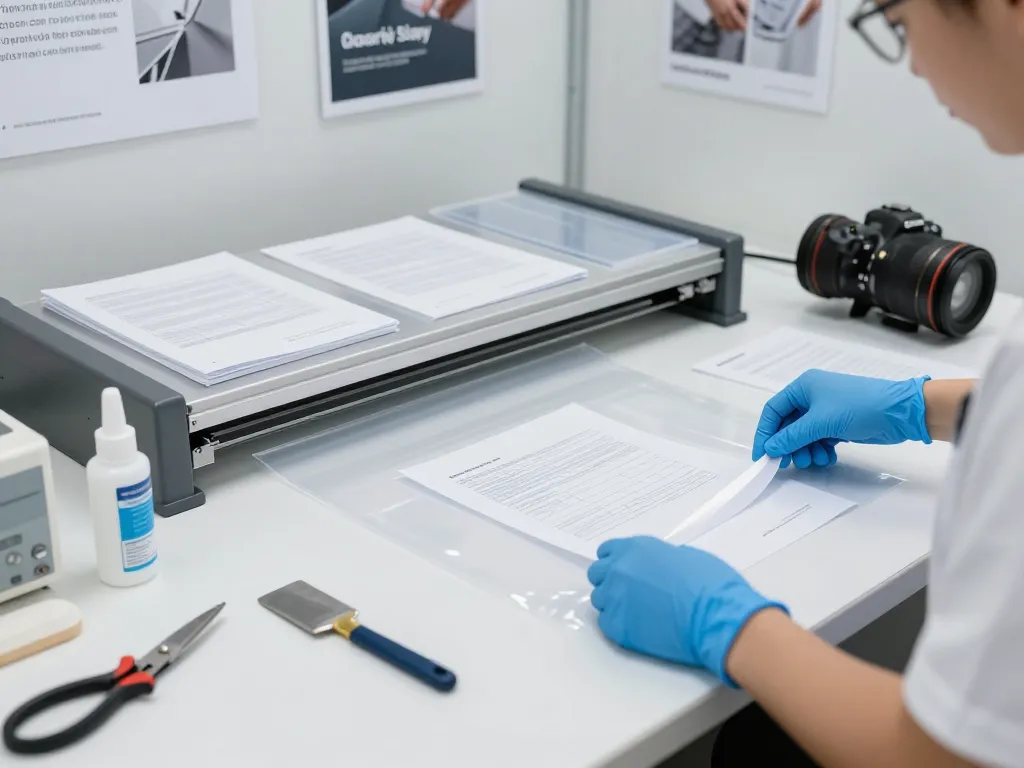
Understanding Plastic Lamination and Its Effects
Plastic lamination has become an integral part of document preservation and protection processes. Many individuals and businesses utilize it to enhance the longevity of important papers. However, this practice poses significant challenges when it comes to removing the laminated layers without causing damage. For those in Hà Nội looking to safely gỡ ép plastic hà nội, understanding the techniques and technologies available today is crucial. This article delves into the various methods employed, their efficacy, and the potential risks involved.
What is Plastic Lamination?
Plastic lamination involves encasing documents in a layer of plastic film to protect them from wear, tear, moisture, and environmental conditions. This process typically employs a combination of heat and pressure to seal the plastic around the paper. The result is a durable sheath that could extend the life of vital documents, making them suitable for long-term storage or use in high-traffic environments.
Common Uses of Plastic Lamination in Document Safety
The use of laminated documents is widespread across various sectors including education, where certificates, diplomas, and identification cards are often laminated for protection. In businesses, important contracts, presentation materials, and employee badges are commonly laminated to preserve their integrity and keep them looking professional. Furthermore, laminated materials are utilized in public spaces, such as menus and informational brochures, to withstand frequent handling.
Challenges in Removing Laminated Plastic Safely
While lamination is effective in protecting documents, the removal process can be fraught with difficulties. Many individuals face the risk of tearing or smudging the underlying paper when attempting to remove the plastic layer. Furthermore, the adhesive used in lamination can bond strongly over time, making removal challenging and potentially damaging to the document itself.
Methods for gỡ ép plastic hà nội
There are primarily two widely recognized methods for removing laminated plastic from documents: using heat and employing non-destructive technology. Each method has its pros and cons, making it essential for individuals to assess the condition of their documents and choose the appropriate technique.
Using Heat: How It Works and Risks Involved
The heat method utilizes devices such as hair dryers, irons, or steamers to soften the adhesive binding the plastic to the paper. This approach is based on the principle that heat can melt the adhesive, allowing for easier separation. However, this method is risky; excessive heat can lead to discoloration, burning, or warping of the document. Moreover, once the plastic is heated, it can adhere even more firmly to the paper if not handled promptly, resulting in potential tearing and loss of content.
Non-Destructive Technology: A Safer Alternative
Non-destructive methods, such as those employed by specialized services in Hà Nội, provide a safer and more reliable means of removing laminated plastic. This technique minimizes the risk of damaging the document by avoiding excessive heat and pressure. Instead, it often involves chemical processes that dissolve the adhesive without affecting the paper itself. As a result, documents can be restored to their original condition without loss of text or image quality.
Comparative Analysis of Both Methods
While both methods are used for removing laminated plastic, the heat method often poses more risks than benefits. Non-destructive technology, although potentially more expensive, offers a higher success rate by preserving the integrity of the document. Individuals should weigh these factors when choosing a removal method, especially when dealing with valuable or irreplaceable papers.
Step-by-Step Guide to gỡ ép plastic hà nội
Preparation: Tools and Techniques You Need
Before attempting to remove laminated plastic, gather the necessary tools based on your chosen method. For heat application, you will need a heat source such as a hair dryer or iron, and protective sheets to avoid direct contact. For the non-destructive method, consider contacting a reputable service for their specialized equipment and expertise.
Performing the Removal Using Heat
- Start by placing a protective sheet over the laminated area to prevent damage from direct heat.
- Gently apply heat to the protective layer, ensuring to keep the heat source moving to avoid overheating a single spot.
- Monitor the edges of the lamination for signs of separation. Once the plastic begins to lift, carefully peel it back.
- Proceed slowly to prevent tearing the document. If resistance is encountered, reapply heat and try again.
Executing Non-Destructive Methods
- Contact a professional service specializing in non-destructive removal of laminated plastic.
- Provide them with the documents you wish to restore, detailing any specific concerns about their condition.
- Follow their guidance on preservation and storage post-removal to ensure the longevity of your restored documents.
Common Mistakes to Avoid When gỡ ép plastic hà nội
Underestimating the Risks of Heat Application
Many individuals overlook the potential consequences of using heat. It’s crucial to understand that different papers react uniquely to heat, and what may work on one document could destroy another.
Using Incorrect Techniques or Tools
Improvising with household tools can lead to disastrous results. Always use the recommended equipment for each method to ensure safety and efficacy in removal.
Failing to Assess Document Condition Before Removal
Before embarking on the removal process, it’s important to evaluate the condition of each document. Deteriorated papers are more susceptible to damage, which can cause additional challenges during the removal of laminated plastic.
Future Trends in Document Preservation and Plastic Removal
Emerging Technologies in Document Restoration
As technology advances, new methods for document preservation and plastic removal are being developed. Innovations such as laser ablation and advanced solvents have emerged, providing safer and more efficient ways to preserve and restore documents.
Eco-Friendly Options for Plastic Laminating and Removal
With increasing awareness of environmental issues, eco-friendly materials and processes are being prioritized in the laminating industry. Options for biodegradable laminates and green adhesives are becoming more available, contributing to more sustainable practices.
What to Expect in Document Preservation by 2026
By 2026, we can anticipate major advancements in document preservation technologies, including more reliable non-destructive methods for removing lamination without risking damage. Enhanced training and regulations surrounding document restoration will likely improve standards across the industry.
What is the best method for gỡ ép plastic hà nội?
The best method largely depends on the specific document and its condition. For valuable or fragile documents, non-destructive techniques are highly recommended to ensure preservation.
Is it safe to use heat for removing plastic?
Using heat can be effective, but it carries risks. Caution should be taken to avoid overheating, as this can damage the document.
How long does it take to gỡ ép plastic hà nội?
Removal times vary based on the method used and the document’s condition. Non-destructive methods can often yield results within hours, while heat methods may take longer.
Can valuable documents be preserved after plastic removal?
Yes, when performed correctly, both methods can restore valuable documents without loss of integrity. Non-destructive methods, in particular, are designed to ensure documents remain intact.
What are the benefits of non-destructive methods?
Non-destructive methods minimize the risk of damage, preserve the document’s original quality, and often restore it to its pre-lamination condition without leaving residue or tearing.