Understanding the Role of a Plumber Near Me
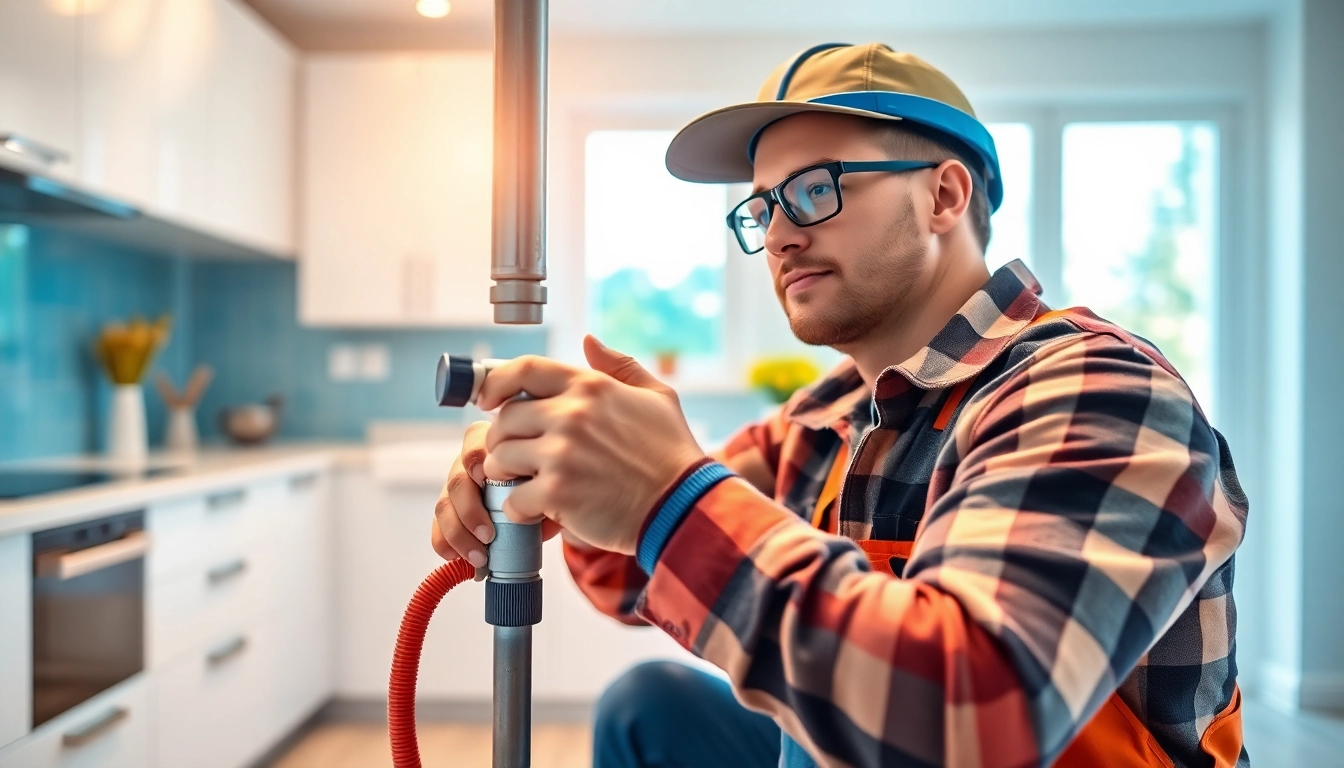
When you encounter plumbing issues, finding a Plumber near me becomes a critical task. But what exactly does a plumber do? Understanding the fundamental role of a plumber can help demystify their responsibilities and underline the importance of hiring a professional.
Common Responsibilities and Services
Plumbers perform a variety of tasks that encompass the installation, maintenance, and repair of piping systems. Their responsibilities can vary widely, but typically include:
- Installation of Pipes and Fixtures: This includes setting up toilets, sinks, bathtubs, and other fixtures, ensuring they’re properly connected to water and sewage lines.
- Maintenance of Plumbing Systems: Plumbers regularly perform inspections and maintenance tasks to prevent issues before they arise, which can save homeowners money in the long run.
- Repairing Leaks and Blockages: One of the most common calls for plumbers is to address leaks or blocked drains that may cause water damage or other issues in the home.
- Emergency Plumbing Services: Many plumbers offer 24/7 emergency services for urgent issues such as burst pipes or major clogs.
Importance of Local Expertise
Hiring a local plumber is advantageous for several reasons:
- Familiarity with Local Codes: Local plumbers understand the building codes and regulations specific to their areas, ensuring compliance with the law.
- Quicker Response Times: Proximity means faster service, especially in emergencies where time is critical.
- Community Trust: Local plumbers build reputations in their communities, making it easier for you to find trustworthy services through word-of-mouth.
Tools and Techniques Used in Plumbing
Plumbers utilize an array of tools and techniques to perform their jobs effectively:
- Pipe Wrenches: Essential for gripping and turning pipes, these tools are fundamental for installation and repairs.
- Plungers: Commonly used for clearing clogs in sinks and toilets, plungers are a plumber’s best friend.
- Camera Inspections: Advanced technology allows plumbers to inspect pipes internally for blockages or damage without invasive methods.
- Hydro Jetting: This technique uses high-pressure water to clear stubborn clogs in drains and sewers.
Finding the Right Plumber Near Me
Once you’re aware of what a plumber does, the next step is finding the right professional for your needs. Here are some effective strategies.
Top Strategies for Local Searches
Searching for a plumber in your vicinity has never been easier, thanks to technology. Here are some strategies:
- Online Directories: Websites like Yelp, Angie’s List, and local business directories help you find plumbers with consumer ratings and reviews.
- Social Media: Platforms like Facebook and Nextdoor allow you to request recommendations from your community and see reviews from other locals.
- Google Searches: A simple search for “plumber near me” can yield numerous results, including local websites and contractors.
Evaluating Credentials and Experience
Not all plumbers are created equal. It’s essential to evaluate their background:
- Licensing: Ensure your plumber holds a valid license and insurance, which protects you in case of mishaps.
- Experience: Ask about the plumber’s experience, especially with jobs similar to yours.
- References: Requesting references can provide insights into their reliability and quality of work from previous clients.
Comparing Services and Pricing
Before making a decision, it’s essential to compare what different plumbers offer:
- Detailed Estimates: Obtain detailed quotes that include parts and labor, without hidden fees.
- Service Offerings: Different plumbers may offer various services; ensure theirs align with your needs.
- Long-term Guarantees: Look for plumbers who offer guarantees on their work, adding a layer of protection for your investment.
Key Signs You Need to Call a Plumber Near Me
Identifying plumbing problems early helps avoid more expensive repairs down the line. Here are some signs you shouldn’t ignore:
Recognizing Plumbing Issues Early
Being aware of the common indications of plumbing issues can save you from larger problems:
- Unusual Noises: Banging or gurgling sounds from pipes can signify leaks or blockages.
- Discolored Water: Rusty or brown water is a sign of pipe corrosion that requires immediate attention.
- Slow Drains: If your sink or tub is draining slowly, it may indicate blockages that need a plumber’s expertise.
Understanding Urgency Levels
Some plumbing issues require immediate attention, while others can wait. Understanding urgency levels can assist you in prioritizing:
- Emergency Situations: Burst pipes or sewage backups require a call to a plumber right away.
- Serious Leaks: If you notice water pooling in unusual places, even minor leaks should be addressed soon.
- Scheduled Maintenance: Regular checks can help prevent emergencies, ensuring your system runs smoothly over time.
Preventive Maintenance Tips
Preventive maintenance can save you money and time in the long run:
- Regular Inspections: Schedule annual inspections with your local plumber to catch potential problems.
- Know Your Pipes: Understanding the type and age of your plumbing can provide insights into potential issues.
- Drain Cleaning: Regular drain cleaning helps prevent problems and keeps pipes flowing smoothly.
Cost Considerations for Hiring a Plumber Near Me
The cost of plumbing services can vary based on several factors. It’s essential to understand these before hiring a professional.
Typical Pricing Models Explained
Pricing models can differ depending on the nature of the service:
- Hourly Rate: Many plumbers charge by the hour, which can vary based on their experience and the complexity of the job.
- Flat Rate Fees: For specific jobs, plumbers may charge a flat fee, eliminating uncertainty in costs.
- Emergency Fees: After-hours calls typically incur additional fees due to the urgency of the service.
Factors Influencing Cost
Several factors can influence the overall cost of plumbing services:
- Nature of the Problem: More complex jobs requiring specialized skills tend to incur higher costs.
- Location: Costs can vary based on geographical location and local demand for plumbing services.
- Time Required: The longer a job takes, the more you’ll typically pay for labor and materials.
Budget-Friendly Tips for Homeowners
Staying within budget is crucial, especially for homeowners. Here are some tips:
- Get Multiple Quotes: Compare pricing from several plumbers to find the most competitive rate.
- Prioritize Repairs: Address urgent plumbing issues first to prevent them from escalating.
- DIY Prevention: Simple household maintenance can prevent costly repairs down the line.
FAQs about Hiring a Plumber Near Me
How do I find a plumber near me quickly?
You can use online directories, Google searches, and social media recommendations to find local plumbers quickly.
What should I ask before hiring a plumber?
Inquire about their licensing, insurance, experience, and request a detailed estimate of the costs involved.
Is it cheaper to fix plumbing issues myself?
While DIY repairs might seem cheaper, improper fixes can lead to significant costs later. It’s often best to hire a professional.
How can I verify a plumber’s license?
You can usually check a plumber’s license status through your state’s licensing board website or ask them directly for their license number.
What are common plumbing emergencies that require immediate help?
Common emergencies include burst pipes, severe leaks, sewage backups, and issues resulting in flooding within the home.